Flow is a distinct mental state of the human mind where concentration becomes so intense that a person gets completely absorbed in the task they are undertaking.
In this state, an individual becomes so deeply engaged in their work that their sense of self fades away. While a person remains in a flow state, they are often unaware of their own existence. It is a state of pure consciousness.
When you are in flow:
- You don’t feel hunger or thirst
- You don’t notice heat, cold, or discomfort
- Even distractions like mosquito bites fade away
Your focus reaches its highest possible peak.
And once you enter this state, your work begins to unfold naturally and effortlessly, without force or resistance.
Mihaly Csikszentmihalyi, a psychologist, described flow as an “optimal experience,” representing the highest quality of human experience.
In this blog, we will explore the following topics:
1. The benefits of achieving a flow state
2. The neurochemistry involved in experiencing flow
3. The brain’s neuroelectric activity during flow
4. Most importantly, how can you attain the flow state in your own life
So, let’s get started!
First, let’s explore the benefits of achieving a flow state to keep your motivation high from the very beginning. Flow can significantly increase your productivity by up to 500%. That means that a task that usually takes five days to complete can often be finished in just one day when you’re in a flow state.
According to scientific research, roughly 10,000 hours of deliberate practice are needed to master any skill. However, when learning occurs in a flow state, this number can be reduced to nearly 5,000 hours. Flow doesn’t just help you work faster; it also enhances the quality of your work. In fact, your creativity can increase by nearly 700% when you are in a flow state. Ideas connect naturally, solutions arise effortlessly, and your thinking becomes fluid rather than forced.
Mihaly Csikszentmihalyi, who is considered the father of flow psychology, states that each flow experience slightly elevates the brain’s level of consciousness. That means that flow not only helps you perform better but also fosters personal growth. That’s why flow is the key to achieving extraordinary outcomes.
And believe me, I’ve read the biographies of many great individuals.
Across all of them, one common trait stands out clearly: Extraordinary power of concentration. These people could enter the flow state at will.
And that is exactly why they were able to achieve what most people never can.
What Happens in the Brain During Flow?
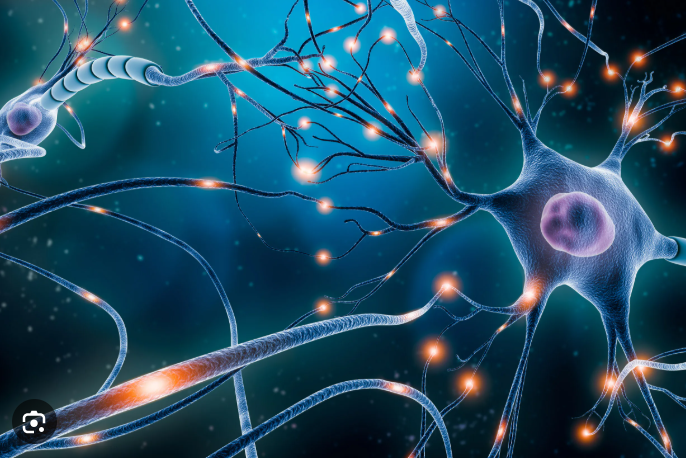
Now, let’s delve into the chemical and electrical changes that occur in the brain during the flow state. When you enter flow, the brain first releases norepinephrine and dopamine, causing an increase in heart rate and a sharp focus. Your attention becomes intense, stable, and locked onto a single task.
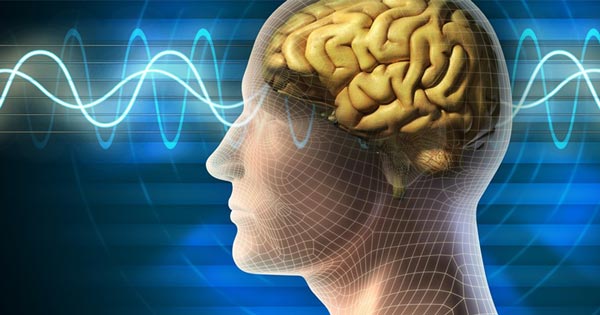
At the same time, brain waves begin to shift from beta (associated with analytical thinking) to alpha waves, enhancing creativity, relaxation, and mental flexibility. During this phase, the brain’s prefrontal cortex responsible for self-criticism, overthinking, and ego, temporarily calms down. As a result, you naturally enter a meditative state, even while actively working.
As you progress deeper into flow, the brain begins to release endorphins and anandamide. Endorphins help eliminate physical pain and mental tension. At the same time, anandamide, name derived from the Sanskrit word “Ananda,” meaning bliss, frees the body from distress and discomfort, leading to a deep sense of calm and joy.
In this state, your brain’s lateral thinking abilities significantly improve. As lateral thinking expands, you start to think outside the box; new connections form, fresh ideas emerge, and creative insights come to you effortlessly. When you reach a very deep flow state, brain waves shift further from alpha to theta waves. This transition activates intuition, and it is this intuitive intelligence that allows geniuses and extraordinary individuals to solve complex problems that logic alone cannot handle.
The Final Stage of Flow
In the final stage of flow, the brain releases serotonin and oxytocin. When these chemicals are released, you experience a wave of peace and happiness. You feel calm, fulfilled, and deeply satisfied even without any external reason. This experience is so profound that flow is considered one of the most addictive mental states in the world, not because it drains you, but because it makes you feel whole.
Before I explain how to enter the flow state, there are two crucial truths you must understand.
Two Crucial Truths About Flow
1. Flow Requires Deep, Uninterrupted Focus
The brain does not enter flow instantly. It takes around 90 minutes of uninterrupted concentration for the brain to be fully ready to enter the flow state. That is why shallow work often fails to produce extraordinary results.
2. Flow Starts When Your Mind Is Fully Engaged
The human brain can process about 126 bits of information per second. Flow begins when every single bit of your cognitive capacity is focused on one activity. When there’s no leftover attention for distractions, worries, or self-talk, the flow state activates automatically. At that moment, you don’t just enter flow; flow enters you.
How to Enter the Flow State?
Now, the real question is: How can you actually enter the flow state? According to psychologist Mihaly Csikszentmihalyi, to achieve flow in any activity, we must focus on two fundamental elements: skill and challenge.
The Skill–Challenge Balance
Let’s consider a scenario where your skills are very high, but the challenge is very low. Will you enjoy that work? Not at all. You will likely feel apathetic, bored, and mentally disengaged.
Now, think about the opposite situation: a challenge that is extremely high while your skills are very low. In this case, you won’t achieve flow; instead, you’ll experience pure frustration. Scientific studies suggest that the ideal ratio between skill and challenge to achieve flow is approximately 1:4. This means the challenge must always be slightly above your current skill level. Only then will your brain stretch itself just enough to enter the flow state.
Creating Challenges Artificially
The good news is you can create challenges artificially.
For example:
- If you’re sitting in a boring classroom, start translating the lecture into another language in real time.
- Or reverse the process, convert complex ideas into the simplest possible form.
In any situation, you can increase the level of challenge, and by doing so, you move closer to flow.
The Core Rule of Flow
To conclude this part: Your goal in any task is to use all 126 bits of your cognitive capacity. If even one bit remains unused, the brain will use it to generate random thoughts, and your concentration will break.
Control the Content of Consciousness
Now comes the second and most important principle. There is a famous quote:
“Self-discipline begins with the mastery of your thoughts.
If you don’t control what you think, you can’t control what you do.”
Research suggests that nearly 90% of the thoughts that arise in an average human mind are useless, repetitive, or negative.
With this level of mental noise, no one can enter flow at will.
Flow Follows Concentration
Understand this clearly: Flow follows concentration.
As your concentration improves, flow will slowly and naturally begin to appear in your life.
And concentration improves only when you learn to be fully present.
Practicing the art of staying present in the moment:
In the beginning, staying present will require serious effort.
Whenever a thought arises in your mind:
- Immediately bring your attention back to the present moment.
You must repeat this process again and again.
At first:
- You may feel intense frustration
- Your head may start aching
- You may feel mentally exhausted
But you must keep moving forward. One day, something remarkable will happen. You will begin to experience a void, a thoughtless state.
Your attention will become fully anchored in the present moment.
And at that point, you will be able to enter the flow state at will.