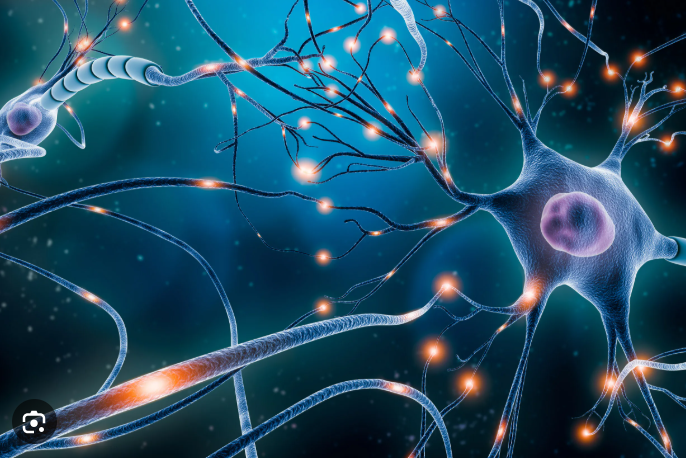
Did you know that at birth, the human brain has nearly 100 billion active neurons?
This is one of the main reasons why a baby’s brain has such an exceptional capacity for learning. If a child is raised in a multilingual environment, where more than one language is spoken, the child can learn multiple languages at the same time. Similarly, a child can learn different musical instruments simultaneously, often with little to no conscious effort. How are children able to do all this so easily?
The simple answer is neuroplasticity.
In simple terms, because of 100 billion neurons, a child’s brain functions like a sponge—it absorbs information effortlessly. From a scientific perspective, these 100 billion neurons together form billions of blank or unoccupied neural pathways, which can be easily shaped and occupied through new skills and experiences.
However, after around the age of 13, this critical window of opportunity gradually begins to close. The number of active neural pathways in the brain starts to decrease. This happens because the brain operates on the principle of “use it or lose it.”
If neural circuits are not used, the brain naturally weakens or eliminates them through a process known as synaptic pruning.
This leads to an important question:
Does this mean that people above the age of 13 can never use their brains’ full potential?
Does it mean we can no longer learn new skills with the same ease and efficiency?
The answer is no.
Through neuroplasticity and neurogenesis, this capacity can be restored and enhanced even in adulthood.
Now, you might be wondering what exactly neurogenesis is.
In the 1980s, neuroscientist Fernando Nottebohm was researching the brains of songbirds. He discovered that when birds were learning new songs, unusual activity was occurring in their brains. Further investigation revealed that, during the process of learning new songs, the birds’ brains were actually producing new brain cells.
Subsequent research on the human brain showed similar findings. It has been discovered that in certain regions of the brain, such as the hippocampus and the subventricular zone, new brain cells, or neurons, are formed even in adulthood. Studies suggest that the human brain produces approximately 700 to 800 new neurons every day.
At first glance, this number appears too small to have a significant impact on overall brain ability.
However, according to Dr. Brant Cortright, the process of neurogenesis in the brain can be increased by five times or more through specific lifestyle and dietary interventions. He explains this in detail in his book The Neurogenesis Diet and Lifestyle.
So, let us now explore the most important question:
How can we increase the number of neurons in the brain?
1. Neurogenesis Exercises
Most of us are already aware of the life-changing benefits of exercise.
But what many people don’t realize is that different types of exercise affect the brain and body in very different ways.
When neuroscientists began researching which type of exercise leads to the highest production of new neurons in the brain, the results were surprising. Studies showed that strength-based exercises, such as weightlifting in the gym or simple stretching, produce very little neurogenesis.
In contrast, aerobic exercises, especially walking, were found to stimulate the highest production of new neurons in the brain.
This single fact pushed me to explore this topic more deeply, and what I discovered was even more fascinating.
If we look at some of the greatest minds in history—Leonardo da Vinci, Nikola Tesla, Swami Vivekananda, Albert Einstein, Beethoven, Charles Dickens, Charles Darwin, Steve Jobs, and the philosopher Goethe, one habit stands out. Almost all of them were daily walkers, often walking for miles every day. The reason is simple but powerful.
Walking not only increases brain cells, but research suggests that it can also boost creative thinking by nearly 60%. Aerobic exercise further reduces the activity of BMP (Bone Morphogenetic Protein) in the brain. BMP acts as an inhibitory signal that suppresses neural stem cells, the very cells responsible for producing new neurons.
By lowering BMP signalling, aerobic exercise creates a brain environment that is far more favourable for neurogenesis.
2. Neurogenesis Diet
In his book The Neurogenesis Diet and Lifestyle, Dr. Brant Cortright explains how specific foods and supplements can support neurogenesis, the formation of new neurons in the brain.
According to Dr. Cortright, the goal of a neurogenesis-focused diet is not only to increase the production of new neurons but also to create a biologically supportive brain environment in which newly formed neurons can survive, mature, and integrate into existing neural networks.
Certain nutrients help achieve this by:
- Reducing chronic inflammation in the brain
- improving blood flow and oxygen delivery
- supporting neuroplasticity
- regulating stress hormones that suppress neurogenesis
Some of the key foods and supplements highlighted in the neurogenesis diet include:
- Omega-3 fatty acids
- Ginseng
- Turmeric (Curcumin)
- Ginkgo biloba
- Rhodiola rosea
- Melatonin
These compounds do not work like instant “brain boosters”. Instead, they gradually optimise the brain’s internal environment, making it more favourable for learning, memory formation, and long-term brain health.
3. Meditation
Meditation is often described as having endless benefits. When it comes to brain well-being, it is something that simply cannot be ignored. Meditation is one of the few practices through which both neurogenesis and neuroplasticity in the brain can increase significantly, especially when practised regularly.
During meditation, the brain releases several important neurochemicals such as serotonin, melatonin, GABA, and endorphins. Each of these chemicals plays a different role in brain function. Still, in simple terms, they help the brain reduce negative neural patterns and form new, positive neural connections.
This process has a direct impact on key cognitive abilities, including focus, concentration, emotional regulation, and overall intelligence.
In addition, when we practice meditation regularly, the hippocampus region of the brain begins to grow.
This region is especially important because neurogenesis, the formation of new neurons, takes place here.
In simple terms, a healthier and more developed hippocampus creates conditions that support the production and survival of a greater number of new neurons.
The most encouraging part is that these benefits do not require hours of meditation every day. Scientific studies suggest that 30 to 40 minutes of daily meditation is sufficient to initiate measurable changes in hippocampal size and brain function over time.
4. Learning
Most people in the world do not challenge their brains daily.
As a result, new neural circuits fail to form in their brains. And as we all know, the brain works on the “use it or lose it” principle. Because of this, their intellectual growth remains limited.
This process works in much the same way as physical exercise affects the body. When we exercise, muscle tissues experience stress and microscopic damage. To repair this damage, the body produces new and stronger tissue, gradually increasing physical strength.
Similarly, when the brain is used daily and challenged close to its maximum capacity, it adapts by strengthening existing neural connections and supporting the formation of new brain cells. This process increases the brain’s overall capacity and efficiency.
Simply put, the more you learn, the more neural connections you build.
That is why truly successful people never stop learning; their growth mindset keeps their brains continuously active, adaptable, and evolving.
Leave a Reply