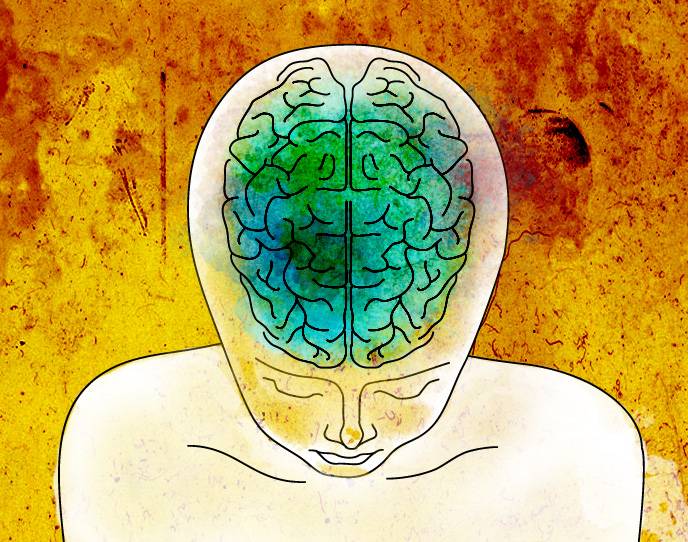
You have probably heard many people talk about how to meditate and the benefits of meditation such as reducing stress or increasing focus. But very few people understand something deeper — the chemical changes that occur in the brain during meditation.
When you start meditating, your brain doesn’t just relax. It actually begins to release several important neurochemicals and hormones that directly affect your mind, emotions, and body.
Within just 2–3 minutes of meditation, chemical reactions begin in the brain.
Let’s explore the five most important chemicals released during meditation and how they transform your brain and body.
1. Serotonin – The Happiness Chemical
Serotonin is one of the most important chemicals found in the human brain and body. Your level of happiness and overall emotional wellbeing is largely influenced by the amount of serotonin present in your brain.
Because of this, serotonin is often called the “happy neurotransmitter” or the “feel-good chemical.”
When serotonin levels drop, a person may experience:
- Depression
- Negative thoughts
- Low self-esteem
- Lack of confidence
- Social anxiety
- Excessive guilt
- Self-criticism
In severe cases, very low serotonin levels can even lead to suicidal thoughts.
The good news is that meditation naturally increases serotonin levels.
Research suggests that within just a few minutes of meditation, the brain begins releasing serotonin, which helps stabilize mood and creates a sense of calm and happiness.
2. Melatonin – The Sleep Molecule
Melatonin is the hormone responsible for regulating our sleep cycle. It prepares the body for rest and helps maintain deep and restorative sleep.
Because of this, melatonin is often called the “sleep molecule.”
Normally, melatonin is released by the pineal gland about 2–3 hours after sunset, especially when the surrounding environment becomes dark.
However, in modern society many people are exposed to:
- Artificial lighting
- Late-night screen usage
- Irregular sleep schedules
These factors reduce melatonin production and can lead to:
- Insomnia
- Weak immune system
- Fatigue
- Cardiovascular issues
Meditation significantly improves this process.
Research has shown that just 5 minutes of meditation before sleep can increase melatonin levels by around 22%.
Even more interesting, studies suggest that people who meditate regularly may have up to 96% higher melatonin levels than non-meditators.
This is one reason meditation often leads to deeper and more refreshing sleep.
3. Growth Hormone (GH) – The Youth Hormone
Growth hormone plays a major role in maintaining youthfulness, physical repair, and cell regeneration.
During deep sleep, the brain produces delta brain waves, which trigger the release of growth hormone from the pituitary gland.
This hormone helps:
- Repair tissues
- Maintain healthy skin
- Build muscle
- Slow the aging process
However, as we age, the body naturally begins to produce less growth hormone, which contributes to aging.
Some celebrities and athletes try to maintain youth by taking artificial growth hormone injections or supplements.
But meditation offers a natural alternative.
Studies have shown that deep meditation can also produce delta brain waves, similar to those experienced during deep sleep.
As a result, the brain may begin releasing growth hormone naturally, helping support the body’s repair and rejuvenation process.
This is one reason why long-term meditators often appear healthier, calmer, and more youthful.
4. DHEA – The Longevity Hormone
DHEA (Dehydroepiandrosterone) is often referred to as the “longevity hormone.”
It plays a major role in the body’s aging process.
Your biological age is not determined only by the number of years you have lived, but also by the hormonal balance inside your body.
If your DHEA levels are high:
- Your brain functions better
- Your heart remains healthier
- Your body performs like that of a younger person
If DHEA levels are low, the body begins to function like that of an older individual.
Research suggests that meditation can naturally increase DHEA levels.
In fact, some studies show that regular meditators may have approximately 43% higher DHEA levels compared to non-meditators.
This means meditation may actually help slow the biological aging process.
5. Endorphins – The Natural Painkillers
The word endorphin comes from two terms:
- Endogenous – produced naturally by the body
- Morphine – a powerful pain-relieving drug
This means the body produces its own morphine-like substances in the form of hormones.
Endorphins act as natural painkillers and also create feelings of pleasure and emotional wellbeing.
They help reduce:
- Physical pain
- Stress
- Anxiety
- Emotional discomfort
Earlier studies suggested that exercise, especially running, releases the highest amount of endorphins.
However, some research comparing experienced runners and experienced meditators found that meditation may release even higher levels of endorphins than running.
This is why people who meditate regularly often develop a higher tolerance for pain and stress.
The Bottom Line
Meditation is not just a spiritual practice — it is also a powerful biological process that changes the chemistry of the brain.
During meditation, the brain releases several powerful chemicals including:
- Serotonin – improves mood and happiness
- Melatonin – regulates sleep
- Growth Hormone – supports youth and repair
- DHEA – slows aging
- Endorphins – reduce pain and create positive feelings
These chemical changes explain why meditation can improve mental health, emotional stability, sleep quality, and overall wellbeing.
And the most fascinating part is that this transformation begins within just a few minutes of meditation.
Sometimes the most powerful change simply begins by closing your eyes, taking a deep breath, and entering silence.


Leave a Reply to Sonal Alone Cancel reply